Introduction
In today’s fast-paced world, many people are reevaluating their fitness routines, especially when it comes to gym memberships. With rising costs and the convenience of home workouts, more and more individuals are considering whether they can achieve their fitness goals without stepping foot in a commercial gym. One question that often arises is: Can dumbbells replace gym machines?
The answer might surprise you. Not only can dumbbells be just as effective, but in many cases, they can even offer superior results for building strength, burning fat, and improving overall fitness. Let’s explore why at-home dumbbell workouts are a viable—and sometimes better—alternative to traditional gym equipment.
The Problem with Gym Machines
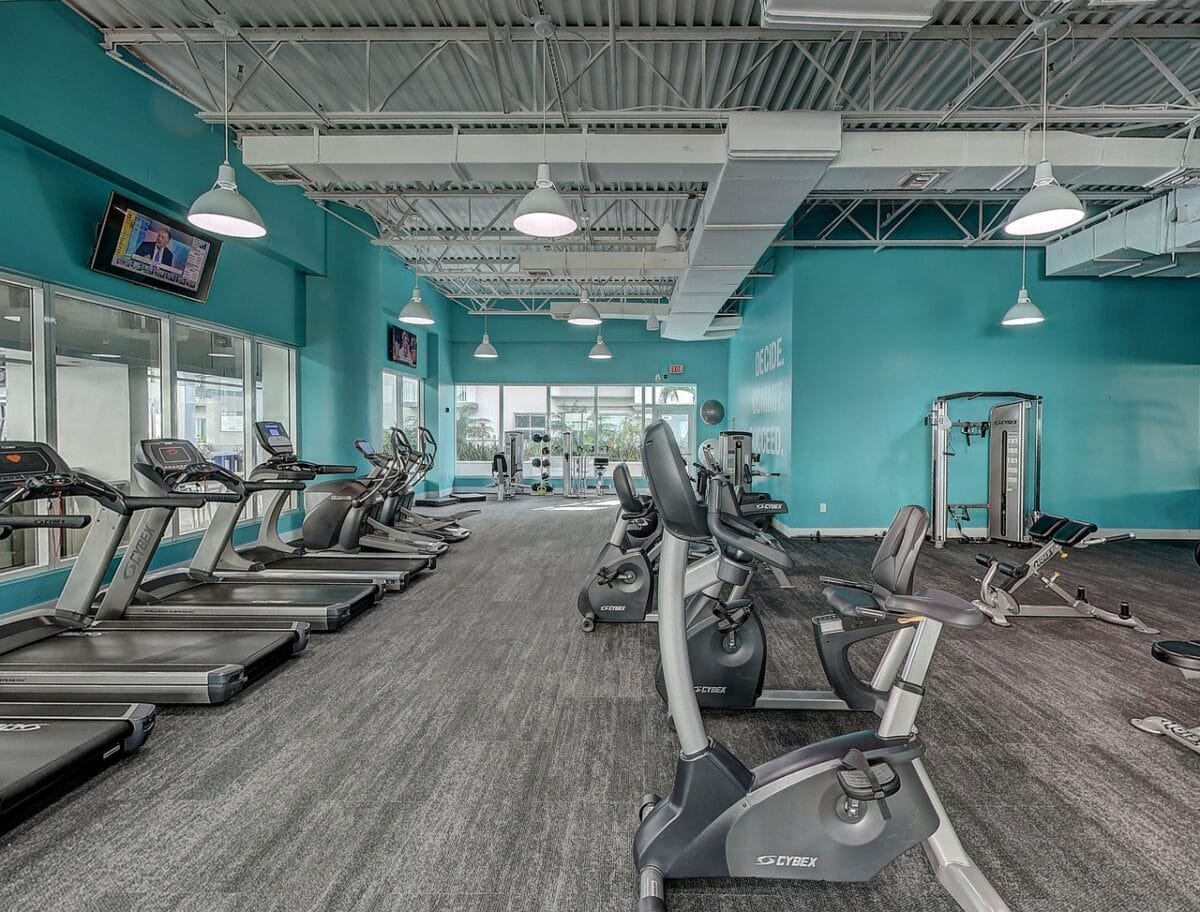
When you walk into a commercial gym, you’re likely to see rows of machines designed to target specific muscle groups. While these machines may seem like the perfect solution for isolating muscles, they come with several drawbacks:
- Restricted Movement Patterns: Gym machines force you into a fixed, predetermined movement pattern. This means your body is limited to moving in a way that doesn’t mimic real-world activities. For example, a leg press machine may strengthen your quads, but it doesn’t teach your body how to squat or lunge in a functional way.
- Limited Versatility: Most gym machines are designed for one specific exercise. This lack of versatility means you need multiple machines to work different parts of your body. Not only does this take up space, but it also limits your ability to perform compound movements that engage multiple muscle groups simultaneously.
- Less Functional Strength: Because gym machines isolate muscles, they don’t train your body to move as a whole unit. This can lead to imbalances and weaknesses in stabilizer muscles, which are crucial for everyday activities and sports performance.
- Higher Cost: Gym memberships and access to expensive equipment can add up quickly. In tough economic times, many people find it difficult to justify the cost, especially when there are more affordable alternatives available.
Why Dumbbells Are the Better Choice
Dumbbells, on the other hand, offer a more natural, versatile, and effective way to train. Here’s why they can replace gym machines and help you reach your fitness goals:
- Functional Movement Training: Dumbbells allow you to perform exercises that closely mimic real-world movements. Whether you’re lifting groceries, playing sports, or simply getting up from a chair, your body moves in three dimensions. Dumbbells enable you to train in all planes of motion, improving your coordination, balance, and overall functional strength.
- Increased Muscle Engagement: Unlike gym machines, dumbbells require you to stabilize your body during each movement. This engages not only the primary muscles being worked but also the smaller stabilizer muscles that support them. The result? A more comprehensive workout that leads to better muscle tone and strength gains.
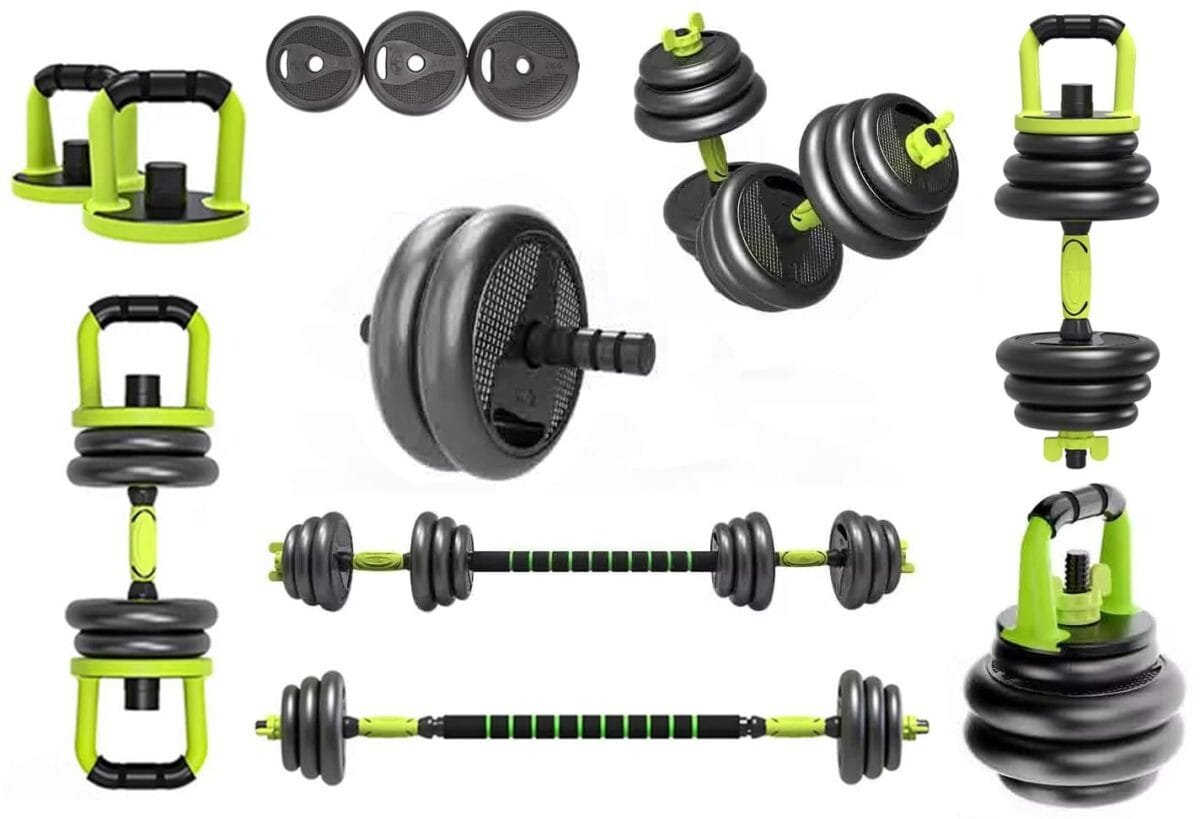
- Versatility: With dumbbells, you can perform a wide range of exercises, from basic movements like squats and lunges to more advanced techniques like kettlebell swings and Turkish get-ups. You can use them for upper body, lower body, and core exercises, making them an all-in-one solution for full-body training.
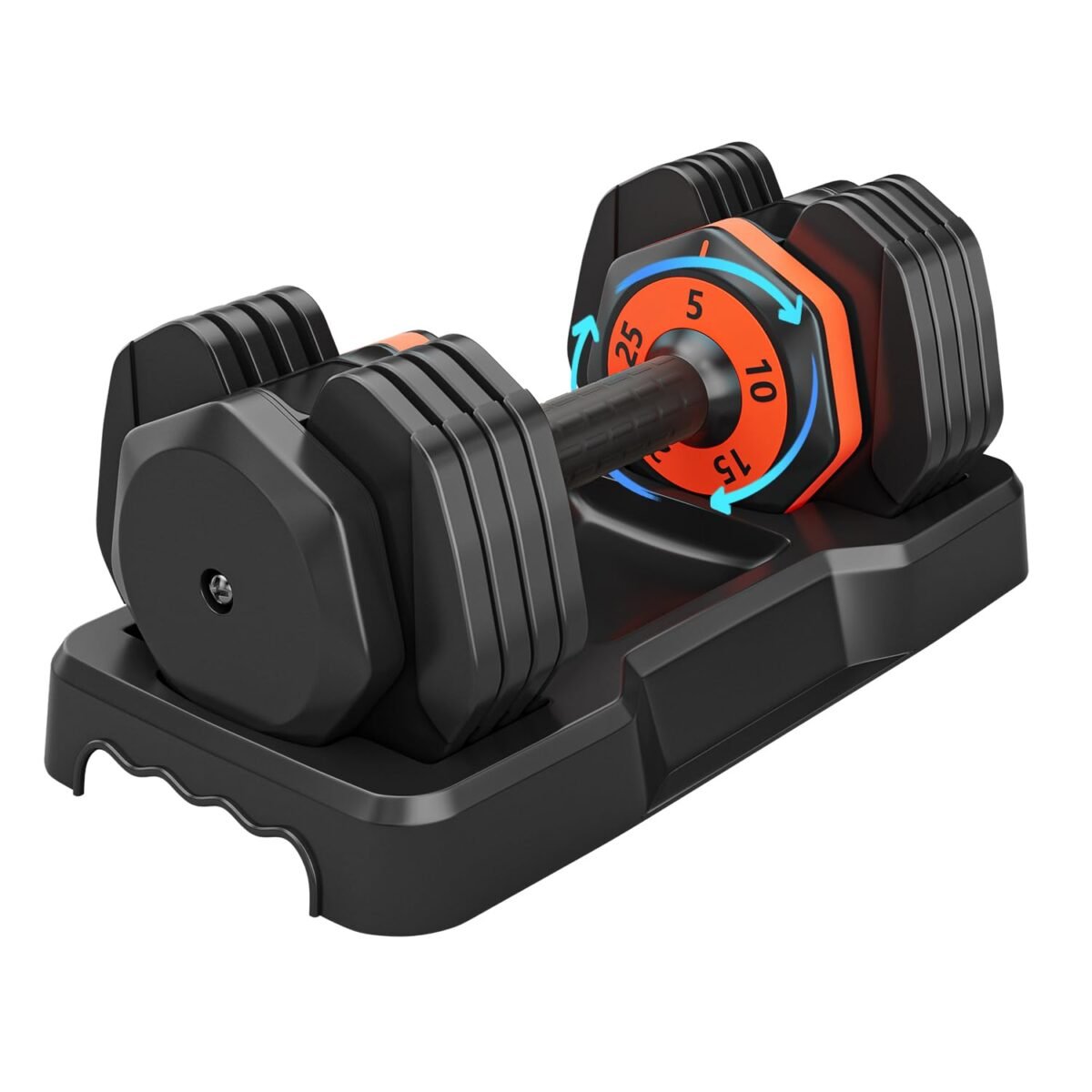
- Space and Cost Efficient: Dumbbells take up minimal space and are much more affordable than gym memberships or bulky home equipment. You can easily store them in a corner of your room or garage, and with a set of adjustable dumbbells, you have access to multiple weights in one compact package.
- Improved Performance and Appearance: By focusing on functional movements rather than isolated muscle groups, dumbbells help you build a lean, athletic, and well-proportioned physique. You’ll not only look better but also feel stronger and more capable in your daily activities.
How to Get the Most Out of Your Dumbbell Workouts
To maximize the benefits of dumbbell training, it’s important to focus on movement patterns rather than individual muscles. Here are some tips to help you design an effective at-home dumbbell workout:
- Prioritize Compound Movements: Compound exercises like squats, deadlifts, push presses, and rows engage multiple muscle groups at once, giving you a more efficient and effective workout. These movements also improve your overall strength and coordination.
- Incorporate Unilateral Exercises: Single-arm or single-leg exercises, such as lunges or dumbbell rows, challenge your balance and stability. They also help correct muscle imbalances and prevent injury.
- Use a Variety of Rep Ranges: Varying your rep ranges (e.g., 8-12 reps for strength, 15-20 reps for endurance) ensures that you’re challenging your muscles in different ways. This helps prevent plateaus and promotes continuous progress.
- Focus on Proper Form: Since dumbbells require more control and stability, it’s crucial to maintain good form throughout each exercise. Start with lighter weights if necessary, and gradually increase the load as you become more comfortable with the movements.
- Create a Full-Body Routine: A well-rounded dumbbell workout should include exercises that target all major muscle groups. Aim to incorporate a mix of upper body, lower body, and core exercises in each session to ensure balanced development.
Real-World Results
Many former gym-goers who have switched to at-home dumbbell workouts report significant improvements in their fitness, strength, and body composition. By focusing on functional movements and using dumbbells to train in a way that mimics real-life activities, they’ve been able to achieve results that rival—or even surpass—what they experienced in the gym.
One of the biggest advantages of at-home dumbbell workouts is the flexibility they offer. You can work out anytime, anywhere, without the need for expensive equipment or a crowded gym. Plus, the mental shift from “training muscles” to “training movements” can lead to a more enjoyable and sustainable fitness routine.